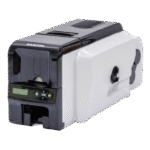
In any organization, identification and security go hand in hand. From corporate offices to manufacturing plants, having a reliable way to produce ID cards is essential in maintaining safety, professionalism, and brand consistency. ID card printers have become a modern business staple, offering efficiency, control, and customization in one compact device.
At their core, ID card printers function much like standard printers — but instead of paper, they print on PVC or composite plastic cards. Using dye-sublimation or thermal transfer technology, they produce sharp, durable prints of photos, text, and even barcodes. Many advanced printers also support encoding features, allowing smart chips, magnetic stripes, or RFID technology to be embedded into cards. This makes them ideal for access control, attendance tracking, or cashless payment systems.
Beyond security, ID cards also play a role in brand identity. A well-designed card helps employees carry a sense of belonging and professionalism while reinforcing your company’s image. Whether it’s color-coded department badges or visitor passes, custom cards make daily operations smoother and more secure.
To build an efficient ID card printing setup, several components work together:
Barcodes enable real-time visibility at every stage—from incoming raw materials to finished goods. By tagging each item with a unique barcode, you can monitor its movement throughout the process. This ensures accountability, simplifies audits, and minimizes human error that could cause costly production delays.
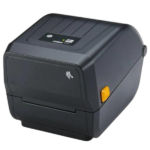
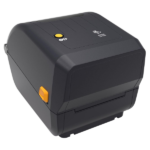
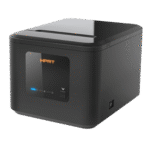
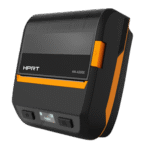
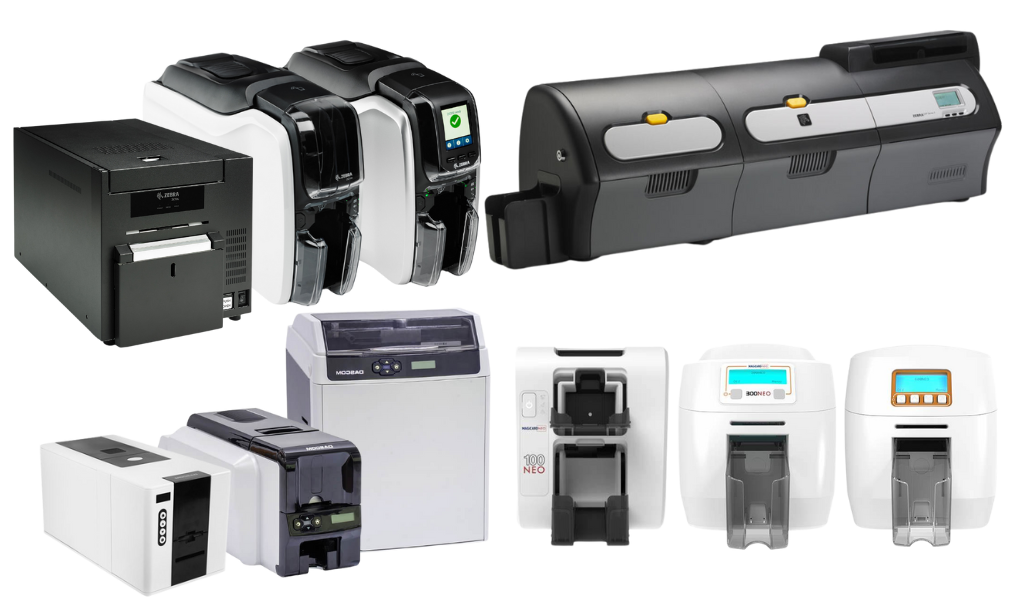
ID Card Printers
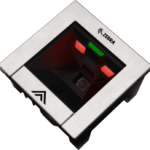
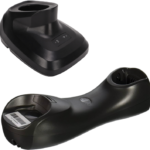
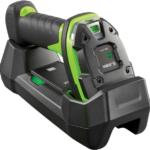
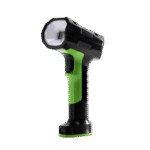
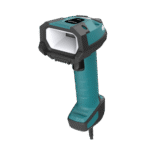
Gone are the days of manual data entry and paper-based logs. Barcode scanners instantly capture product data, cutting down on errors and freeing your team to focus on production, not paperwork. With every scan, your data syncs automatically with your inventory or ERP system for smooth, accurate reporting.
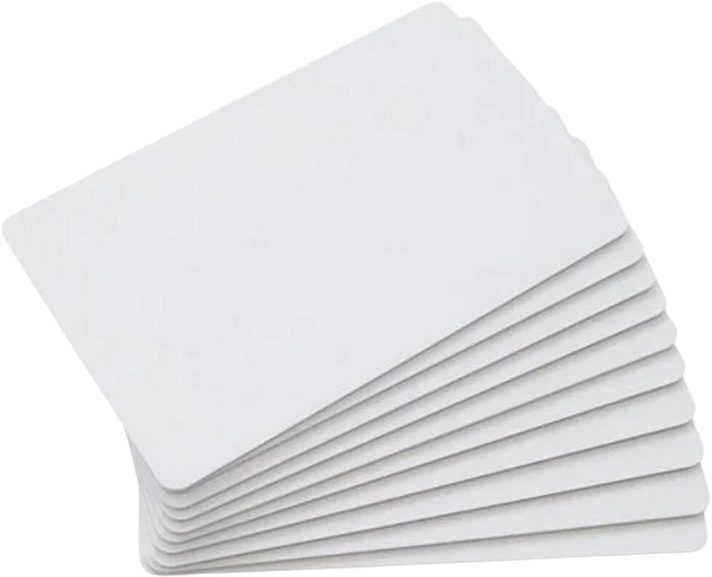
PVC Cards
Barcode labels make stock monitoring easier—whether it’s spare parts, raw materials, or finished products. Knowing exactly what’s available (and where) helps manufacturers forecast more accurately, reduce waste, and prevent costly overstocking or shortages.
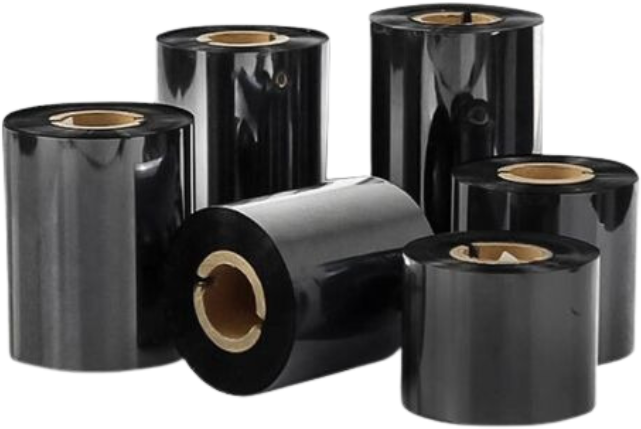
Printer Ribbons
Each product’s barcode holds key data like batch numbers and manufacturing dates, helping trace defective batches or ensure compliance with industry standards. This level of control not only protects your reputation but also strengthens your customer relationships.
Card Design Software
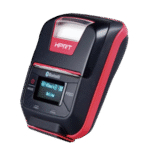
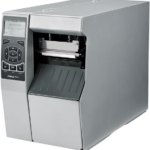
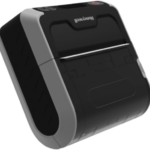
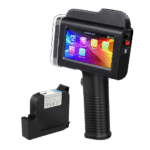
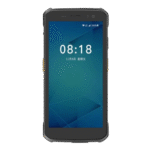
Barcode printers, scanners, and mobile computers work hand-in-hand with your existing systems to automate repetitive tasks. Whether it’s labeling during production or tracking shipments, automation reduces downtime and boosts productivity—critical in a fast-moving manufacturing environment.
These systems are versatile and widely used across industries such as manufacturing, education, healthcare, government, and corporate offices. For manufacturers in particular, ID cards help regulate access to restricted areas, track employee attendance, and maintain safety compliance on the production floor.
At Barcotech, we provide more than just ID card printers — we offer complete identification solutions. From hardware, ribbons to software, our goal is to make your printing process seamless, secure, and tailored to your business needs. With our reliable lineup and after-sales support, you can ensure every card you print reflects your company’s professionalism and precision.
Ready to enhance your workplace security and efficiency?
Talk to Barcotech today and discover the right ID card printing solution for your organization.