Choosing the right label printing method can feel confusing at first, but it doesn’t have to be. In most cases, the decision simply comes down to how long you need your labels to last and where they’ll be used.
To help you decide without technical jargon, here’s a clear and beginner-friendly guide to the two most common printing methods: Direct Thermal and Thermal Transfer.
Direct Thermal: Fast & Fuss-Free
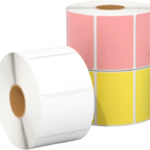
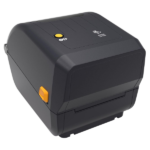
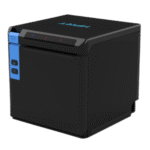
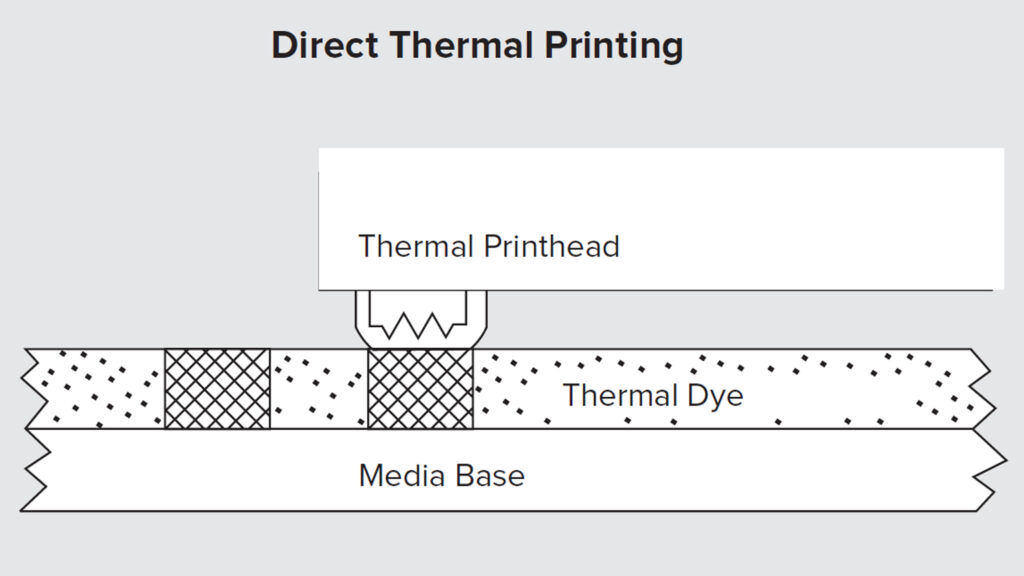
Direct Thermal printers use heat-sensitive labels. No ribbons, no extras — plug, print, done.
Where it works best:
Shipping labels
Receipts
Food labels (short shelf life)
Why people like it:
Fewer supplies to manage
Faster setup
Affordable for high-volume printing
Keep in mind:
The prints fade over time, especially when exposed to heat, sunlight, or friction.
Thermal Transfer: Durable & Long-Lasting
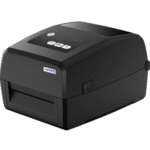
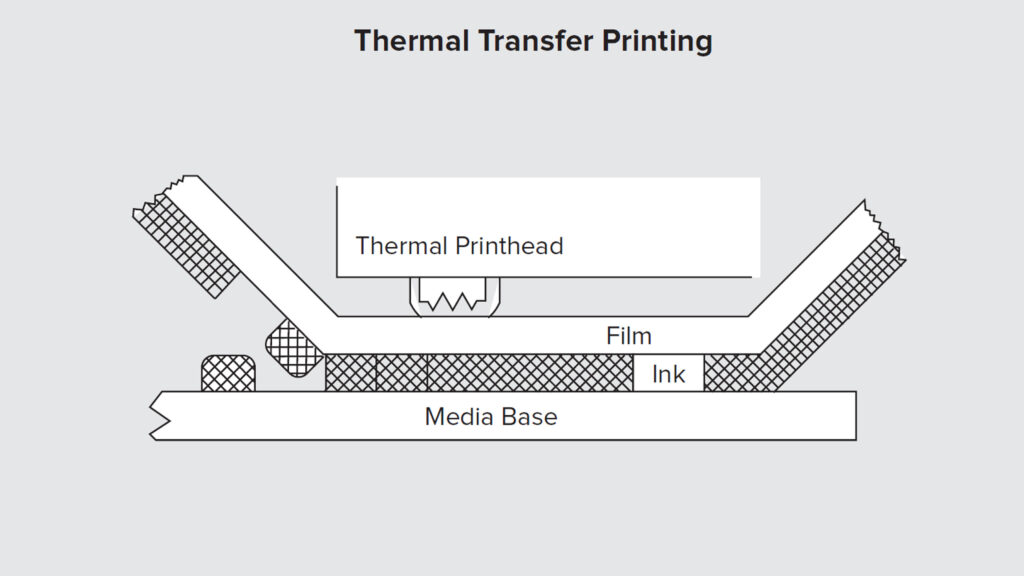
Thermal Transfer uses a ribbon to create sharper, longer-lasting prints that stay readable.
Best for:
Product labels
Warehouse inventory
Healthcare & lab labels
Outdoor or chemical-exposed environments
Why people choose it:
High durability
Works on more materials (paper, synthetic, film)
Reliable scanning even after months or years
Note:
You’ll need ribbons, but you gain a better label lifespan.
If you’re still unsure which one fits your business, the easiest way to decide is to ask yourself one question: “How long should my label stay readable?” If your labels only need to survive daily operations or short-term tasks, Direct Thermal is the practical choice. But if durability is essential — especially for inventory, products, assets, or outdoor applications — Thermal Transfer will serve you better.
Need help picking the right printer?
Barcotech can match your workflow with the best printing setup — no overthinking, just clear recommendations that fit your operations.
Message us anytime, and let’s make labeling simple.