
Buying vs. Renting Printers: Which Is the Best Option for Your Business?






Answer: All Barcode printers have the option to upgrade into Ethernet modules to connect to any network, Wireless, and LAN. However, the Industrial Printer normally comes with an Ethernet module included in the MLB




Printers remain a central part of daily operations for many organizations in the Philippines, handling everything from internal reports to producing labels and barcodes. However, acquiring these machines involves a significant strategic choice: should you purchase the equipment outright or sign a rental agreement? This decision impacts more than just your office setup; it affects your cash flow, tax strategy, and operational flexibility.
To help you navigate this choice, let’s break down the advantages and disadvantages of each method so you can align your print strategy with your broader business goals.
Buying Printers for Your Business
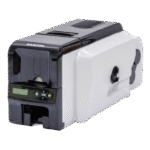
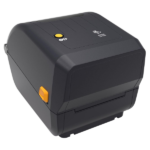
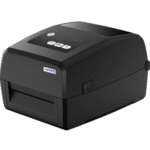
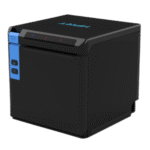
For businesses in the Philippines, owning a printer machine, such as an RFID printer or ID card printer, gives complete asset ownership and total control over their equipment. This approach is straightforward and appeals to businesses that prefer capital expenditures over ongoing monthly obligations.
Advantages of Buying Printers
When you buy the equipment, it belongs to you, which comes with distinct financial and operational perks. These include:
- Long-term Cost Savings: While the initial expense is higher, buying is usually cheaper over the life of the machine. You pay once, avoiding the interest or administrative fees built into monthly rental payments.
- Full Ownership and Control: The equipment is yours. You decide how it is used, where it is placed, and when it is sold, without needing permission from a leasing company.
- Customization and Upgrades: Owning a printer allows you to choose models that suit your workflow, whether you need a PVC ID card printer or barcode printing. If your business needs specific hardware add-ons or security upgrades, you can implement them immediately.
- No Dependency on Rental Agreements: With ownership, you are not tied to any contract terms. This means you can avoid cancellation fees, strict terms, or complex paperwork associated with terminating a lease early.
Disadvantages of Buying Printers
Ownership also brings responsibilities that can strain resources, particularly for smaller companies.
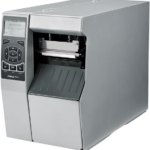
- High Upfront Costs: Commercial-grade printers, such as RFID or industrial thermal printers, can be expensive. For many businesses in the Philippines, paying the full amount immediately ties up capital that might be needed for other investments.
- Maintenance and Repair Responsibilities: When the printer breaks, the responsibility falls on you. You must pay for repairs and parts or employ an in-house IT or maintenance team to manage upkeep.
- Risk of Rapid Technology Obsolescence: Printer technology evolves quickly. A printer bought today might be outdated in a few years, forcing you to reinvest sooner than expected.
- Limited Flexibility: If your business grows or shrinks rapidly, you are stuck with the hardware you purchased, regardless of whether it still meets your needs.
Renting Printers for Your Business
Renting, or leasing, allows you to use equipment for a set period in exchange for regular payments. This model shifts the focus from ownership to service and accessibility.
Advantages of Renting Printers
Leasing models are popular because they reduce the immediate financial burden and simplify equipment management. Some benefits include:
- Lower Initial Costs: There is no massive down payment. This model is budget-friendly for startups and small-to-medium businesses (SMBs) that need to preserve cash flow for other operational needs.
- Maintenance, Service, and Repairs Included: Most printer rental plans in the Philippines come with service contracts. If the printer jams or breaks, the provider sends a technician to fix it, often at no extra cost.
- Flexibility to Upgrade to Newer Models: When a faster, more efficient model hits the market, like a Zebra thermal printer or a more advanced label printer, rental agreements often allow you to upgrade without a significant financial penalty.
- Predictable Monthly Expenses: A fixed monthly fee makes budgeting simple and prevents surprise repair bills from disrupting your finances.
Disadvantages of Renting Printers
While renting can be convenient, it may not always be the most cost-effective or suitable option in the long run. Some disadvantages may include:
- Long-Term Costs Exceeding Purchase Price: Paying interest and administrative fees over a multi-year lease often results in paying more than the printer’s retail price.
- Limited Customization Options: You are typically limited to the specific models and configurations the rental company offers. The equipment should also be returned in good condition at the end of the term.
- Contract Restrictions and Penalties: Ending a rental early or changing terms when necessary may impose fees or penalties, depending on your agreement.
- No Ownership at the End of the Term: Once the contract ends, the equipment goes back to the supplier, leaving you without a printer unless you renew a contract or buy new equipment.
Key Factors to Consider When Choosing Whether to Buy or Rent a Printer
The decision to buy or rent a printer requires an honest assessment of your business needs. Consider the following factors before signing a check or a contract:
- Business Size and Printing Volume: Larger businesses with high printing volumes may benefit more from ownership, while smaller operations may find renting more cost-effective.
- Budget and Cash Flow Flexibility: If conserving cash is a priority, renting offers smaller, more manageable payments than buying new equipment with a high upfront cost.
- Importance of In-House vs Outsourced Maintenance: Companies with in-house IT maintenance support may prefer buying to manage maintenance internally, while others value the support included in rentals.
- Long-term vs Short-term Business Goals: Businesses focused on growth and adaptability may lean toward renting, while those with stable operations might prioritize ownership.
Which Businesses Benefit More from Buying?
Buying is generally the smarter move for established companies with predictable workflows. If your printing needs are stable and unlikely to change drastically in the next few years, ownership makes financial sense. It is also ideal for organizations with in-house IT or maintenance teams capable of handling minor repairs and troubleshooting.
Which Businesses Benefit More from Renting?
Renting is the go-to strategy for startups and growing companies, as it lets you acquire enterprise-grade hardware without draining your bank account. This method also benefits businesses with fluctuating printing needs, such as seasonal operations, or companies that rely on having the latest technology to maintain a competitive edge.
Summary
Ultimately, the best choice between buying and renting a printer depends on how you manage costs, maintenance, and long-term business needs. If you are still weighing your options, here is a quick comparison to help you decide.
| Factor | Buying Printers | Renting Printers |
|---|---|---|
|
Upfront Cost |
Requires a high initial investment |
Low to no upfront cost |
|
Ownership |
Full ownership of the printer |
No ownership; the unit is returned after the contract |
|
Long-term Cost |
More cost-effective over time |
May cost more over time due to recurring fees |
|
Maintenance & Repairs |
Handled internally |
Typically included in the rental agreement |
|
Flexibility |
Limited after purchase |
Easy to upgrade or switch models |
|
Customisation |
Full control over setup and upgrades |
Limited to available rental options |
|
Technology Updates |
Risk of becoming outdated |
Easier access to newer models |
|
Budgeting |
One-time capital expense |
Predictable monthly payments |
|
Best For |
Established businesses with stable needs |
Startups, SMEs and growing businesses |
Take a close look at your current budget and your projected needs for the next three years. Whether you choose the control of ownership or the flexibility of renting, ensuring the decision supports your operational efficiency is what matters most.
Still figuring out which setup makes more sense for your business? Our team is happy to walk you through your printing options and help you see what fits—no pressure, just useful advice. Contact us today to get started.