
Understanding Asset Labels: What They Are and Why You Need Them


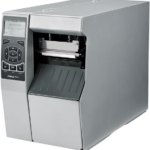
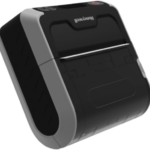

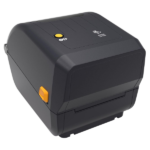
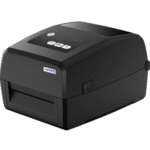
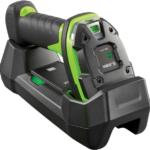
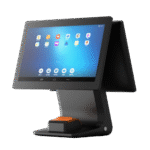
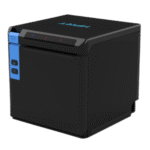
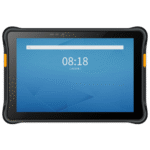
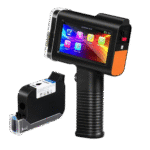
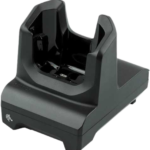
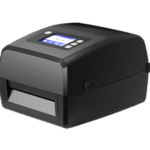
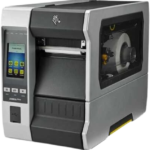

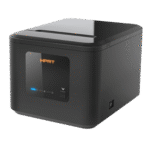
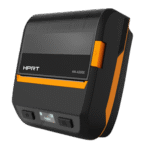


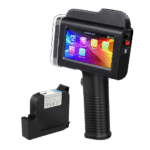

Answer: All Barcode printers have the option to upgrade into Ethernet modules to connect to any network, Wireless, and LAN. However, the Industrial Printer normally comes with an Ethernet module included in the MLB




Managing physical assets can be challenging for organizations of all sizes. From IT equipment like laptops and servers to machinery and office furniture, losing track of these items can lead to financial loss and operational inefficiencies.
Asset labels and tags help address this by giving you clear visibility over each item. Instead of simply tracking quantities, you can monitor the location, condition, and status of your assets. With a structured system in place, you can better protect company property, plan maintenance effectively, and maintain accurate financial records.
What Are Asset Labels?
Asset labels are identification tags attached to physical equipment or property. Each label typically features a unique identification number, which may be paired with a barcode, QR code, or even RFID technology. When scanned, it links back to a digital record in your asset tracking software, instantly pulling up critical data such as the asset’s location, purchase date, maintenance history, and assigned user.
These labels transform a generic item into a trackable, manageable piece of data. Durable asset tags help you maintain visibility, confirm ownership, and keep accurate records of where each asset is and how it is being used.
Common Types of Asset Labels
Not all asset labels are created equal. The right choice depends on your environment, the material of your assets, and the specific asset management goal. Here are the most common types:
Barcode Labels
These are the most traditional forms of asset tagging, which use a series of parallel lines (1D barcodes) to represent data. They are cost-effective and widely used for retail and general inventory, but require a direct line of sight to be scanned.
QR Code Labels
These 2D codes can significantly store more data than standard linear barcodes and can be read quickly using smartphones or tablets, making them a flexible option for mobile workforces.
RFID Tags
These tags use radio waves to transmit data. Unlike barcodes or QR codes, they do not need a direct line of sight and can be scanned from a distance, allowing for rapid bulk scanning of assets in a warehouse or large facility.
Tamper-Evident Labels
Designed to prevent theft and tampering, these labels are often destructible or leave a ‘VOID’ residue if removed. They are ideal for high-value items where security is a primary concern.
Custom Labels
Tailored to your specific requirements, these labels can be customised in size, color, and layout. Options include pre-printed logos, branding elements, and unique templates to align with your business needs.
Key Functions of Asset Labels
Asset labels go beyond simple identification; they perform several active roles in business operations. These include:
Efficient Asset Tracking
The primary function is visibility. By assigning a unique ID to every item, you can instantly locate assets. Whether an item is checked out to an employee, sent for repairs, or sitting in storage, the label ensures the location is updated in your central database in real-time.
Reduced Loss and Theft
The presence of a permanent label signals that the item is monitored and recorded. If an item does go missing, the unique ID makes it easier to report and identify if recovered. This accountability naturally discourages internal theft and casual misplacement.
Compliance and Auditing
Labels make physical audits faster and more accurate. Instead of manual counts, teams can quickly scan items to verify their presence for financial and regulatory compliance.
Inventory Management
Labels help maintain accurate stock levels. You can easily see which assets are available, which are in use, and which need replacement, preventing both shortages and unnecessary over-purchasing.
Benefits of Implementing Asset Labels
Adopting a labeling system requires an upfront investment of time and resources, but it provides tangible improvements to an organization’s bottom line and daily workflow. Some benefits include:
Streamlined Operations
When employees can locate tools and equipment instantly, downtime is reduced, and projects move forward without delay.
Cost Savings
By preventing loss and extending asset life through better maintenance tracking, companies save significantly on replacement costs.
Scalability
A labeling system grows with you. Whether you manage 100 assets or 10,000, the process of scanning and tracking remains consistent and manageable.
Security
High-quality labels, especially tamper-evident ones, add a layer of physical security that protects your investment from unauthorized transfer or theft.
How to Choose the Right Asset Label
Selecting the correct label ensures it remains readable for the asset’s lifespan. Consider the following factors:
Durability
The label must survive the conditions of its environment. Factors like exposure to sunlight, chemicals, extreme temperatures, and abrasion dictate the necessary material—whether that’s polyester, vinyl, or aluminum.
Technology
Ensure your labels match your hardware. If your team uses handheld scanners, standard barcodes work well; if they use smartphones, QR codes are better.
Customization
Decide what human-readable information needs to be on the tag. A simple barcode is useful for the computer, but a phone number or ‘Property of’ text is useful for the human who finds a lost item.
Size and Placement
The label must be large enough to be easily readable yet small enough not to interfere with the asset’s function or structural integrity.
How to Implement Asset Labels Effectively
Success lies in the execution. A structured approach to labeling ensures data integrity and long-term utility.
Labeling Process
Plan your naming convention and numbering system before you print. When attaching labels, ensure the surface is clean and dry to guarantee a strong adhesive bond.
Software Integration
The label is only as good as the data behind it. Integrate your scanning hardware with robust asset management software to analyze usage trends and history.
Regular Audits and Updates
Technology helps, but human verification is still required. Schedule regular scans to update asset records and identify any discrepancies immediately.
Summary
Asset labels and tags are a small investment that yields substantial returns in security, efficiency, and financial control. They provide the visibility required to manage complex inventories and protect your company’s valuable resources.
If your organization still relies on spreadsheets or manual counts, it is time to assess your current practices. Implementing a professional asset labeling system moves you away from chaotic guesswork and toward a streamlined operation.
Ready to gain total visibility over your capital assets? Contact us today to explore our range of customized asset labeling solutions and speak with an expert about developing a tracking system tailored to your business needs.