
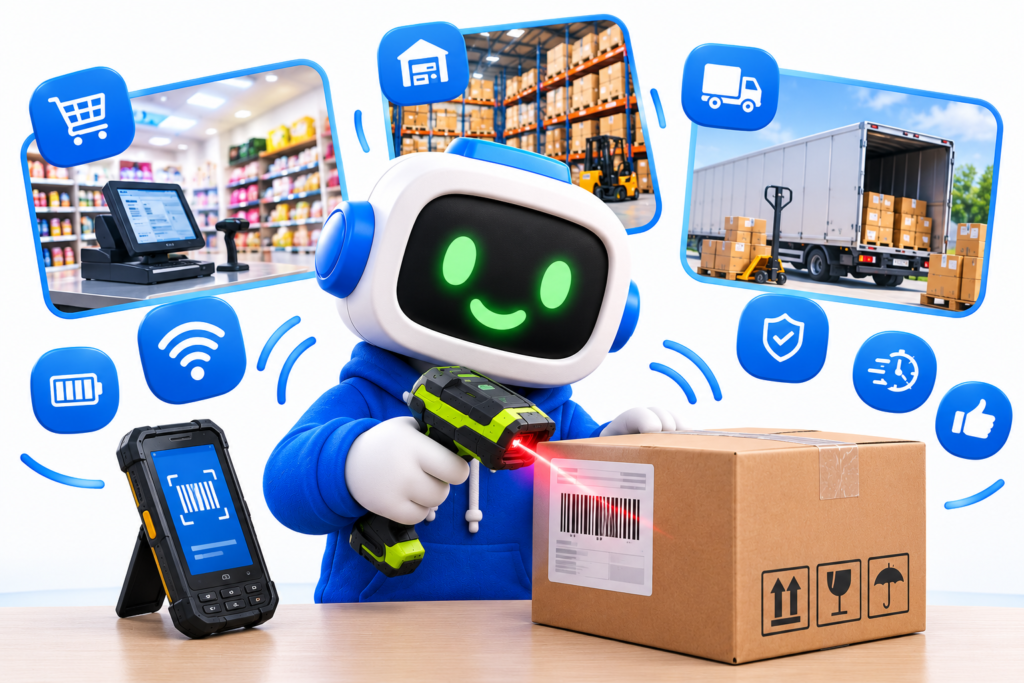
Benefits of Using a Wireless Barcode Reader for Retail, Warehousing, and Logistics
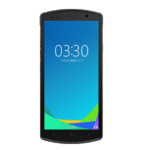
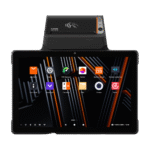

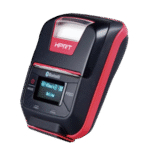
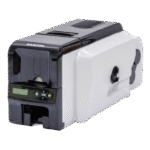
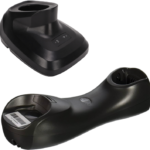
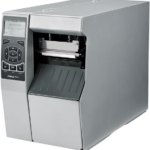
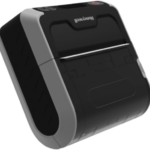

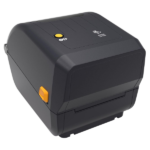
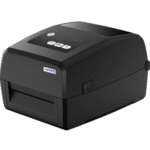
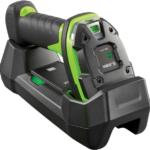
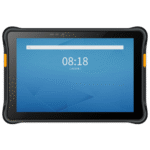
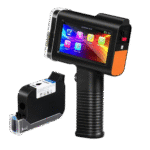
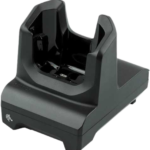
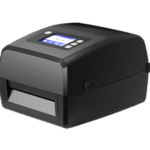
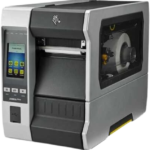
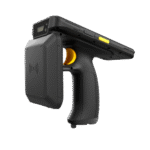
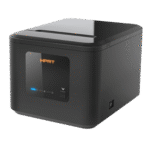
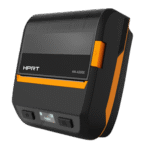
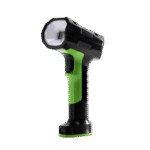
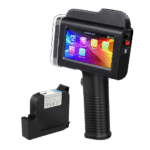
Answer: All Barcode printers have the option to upgrade into Ethernet modules to connect to any network, Wireless, and LAN. However, the Industrial Printer normally comes with an Ethernet module included in the MLB









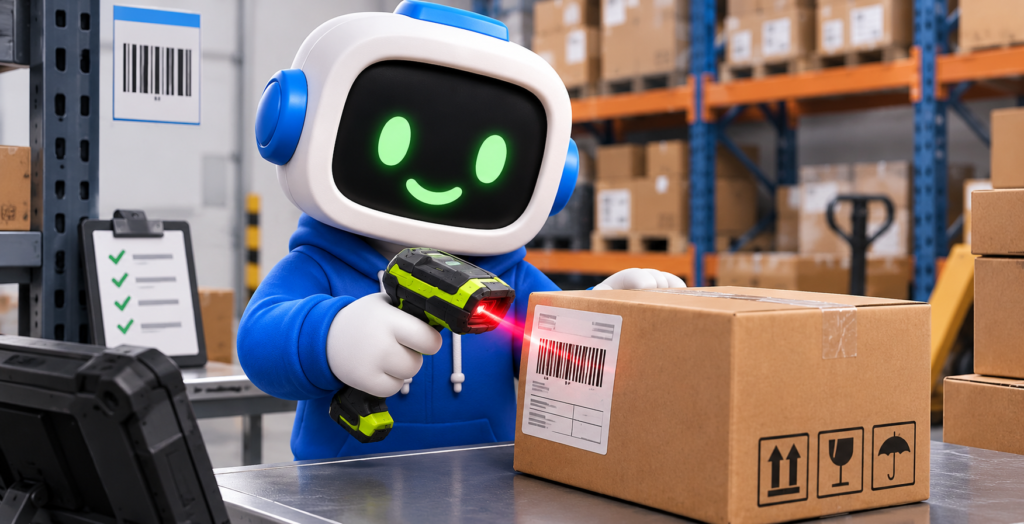
Whether receiving new stock, picking orders, performing inventory checks, or preparing goods for dispatch, employees can capture product information directly at the point of activity. This helps reduce unnecessary movement, speed up routine tasks, and keep inventory records more up to date.
What Is a Wireless Barcode Reader?
- Scanning the Barcode: The reader captures the barcode.
- Transmitting the Data: The information is sent wirelessly to a connected system.
- Processing the Information: The system records or uses the data as needed.
For businesses that need a QR and barcode scanner, choosing a device that matches their scanning requirements and existing systems can support daily operations.
What Are the Benefits of Using a Wireless Barcode Reader?
Wireless barcode readers can make product information capture more efficient and flexible. Key benefits include:
Greater Mobility and Flexibility
Without a cable connecting the scanner to a workstation, employees can move around more freely while scanning products. This can be particularly useful when items are stored across different shelves, racks, or warehouse areas.
Faster and More Efficient Workflows
Wireless scanning can reduce the need to repeatedly move products to a fixed scanning station. Employees can scan items where they are located, helping streamline tasks such as stock checks, receiving, and order picking.
Improved Scanning Accuracy
Scanning barcodes can reduce manual transcription and help minimize errors when processing large numbers of items.
Real-Time Data Capture
When connected to an appropriate system, wireless scanners can transmit barcode information as items are scanned. This can help businesses maintain more current inventory and transaction records.
Reduced Manual Data Entry
Employees can scan product codes directly instead of repeatedly typing them into a system, which can save time during routine tasks.
How Can Wireless Barcode Readers Improve Warehouse Operations?
By allowing employees to scan products where the work takes place, wireless barcode readers can reduce reliance on fixed scanning stations and make routine warehouse tasks more practical.
How Are Wireless Barcode Readers Used in Logistics?
Wireless barcode readers help logistics teams identify, verify, and track goods as they move through receiving, sorting, loading, delivery, and returns. Because employees can scan items directly at the point of handling, information can be captured more efficiently without relying on fixed scanning stations or manual data entry.
Common uses include:
- Verifying Items Before Dispatch: Products can be scanned to confirm that the correct items and quantities are prepared for shipment.
- Tracking Goods Through Handling Stages: Barcode data can be captured as parcels move through receiving, sorting, storage, and distribution.
- Confirming Vehicle Loads: Items can be scanned before loading to help ensure that goods are assigned to the correct vehicle or delivery route.
- Supporting Proof of Delivery: Barcode scans can record delivery activity when integrated with a compatible tracking or delivery system.
- Processing Returns: Returned products can be scanned to identify items quickly and update inventory or return records.
- Reducing Processing Errors: Capturing barcode data directly can reduce reliance on manual entry and help minimise errors in fast-moving logistics environments.
What Should Businesses Consider Before Choosing a Wireless Barcode Reader?
- Scanning Requirements: Determine the types of barcodes the device needs to read and the scanning distance required.
- Connection Type: Consider whether Bluetooth, RF, or Wi-Fi is more suitable for the existing environment and systems.
- Wireless Range: Check whether the scanner can maintain a reliable connection across the required working area.
- Battery Life: Consider how long the device needs to operate between charges, particularly for long shifts.
- Durability: Choose a device that can withstand the conditions in which it will be used, especially in warehouses and distribution environments.
- Compatibility: Make sure the scanner can connect with the computers, mobile devices, point-of-sale systems, or inventory software already in use.
- Ergonomics: Consider the device’s size, weight, and design if employees will use it repeatedly throughout the day.
- Scanning Speed: A device that can quickly capture the required barcodes may be more suitable for high-volume operations.
- Charging and Maintenance: Consider how devices will be charged, stored, and maintained between shifts.
Businesses searching for a QR code scanner in the Philippines should assess their operational and scanning requirements first. This can help them choose a device that fits their existing workflows and systems.
Improving Retail, Warehousing, and Logistics Operations With Wireless Barcode Readers
Wireless barcode readers can support more efficient product handling by allowing employees to capture product information where the work takes place. They can help reduce reliance on fixed scanning stations and manual data entry across retail, warehousing, and logistics operations.
For businesses handling high volumes of products, an appropriate wireless barcode reader can make routine scanning tasks easier to manage while supporting more accurate and timely data capture. Contact us today to explore wireless barcode reader solutions that suit your business needs.
How far can a wireless barcode reader work?
The working range depends on the wireless technology, device, and operating environment. Businesses should check the scanner’s specified range to ensure it can maintain a reliable connection across the required work area.
Can wireless barcode readers connect to mobile devices?
Yes, some wireless barcode readers can connect to compatible smartphones, tablets, and other mobile devices through supported wireless technologies such as Bluetooth.
Do wireless barcode readers require internet access?
Not necessarily. A wireless barcode reader may communicate directly with a connected device through technologies such as Bluetooth or RF. Internet access may only be required if the connected system needs to send or access data online.
How long does the battery of a wireless barcode reader last?
Battery life varies by device, usage and operating conditions. Businesses should consider how long the scanner needs to operate between charges, particularly when it will be used throughout long shifts.