

How to Choose the Right RFID Tags for Inventory Tracking

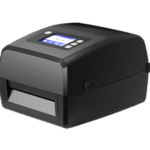
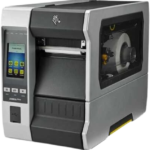
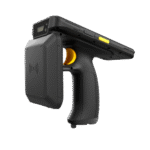
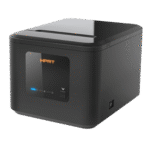
Answer: All Barcode printers have the option to upgrade into Ethernet modules to connect to any network, Wireless, and LAN. However, the Industrial Printer normally comes with an Ethernet module included in the MLB









What Factors Should Be Considered When Choosing RFID Tags?
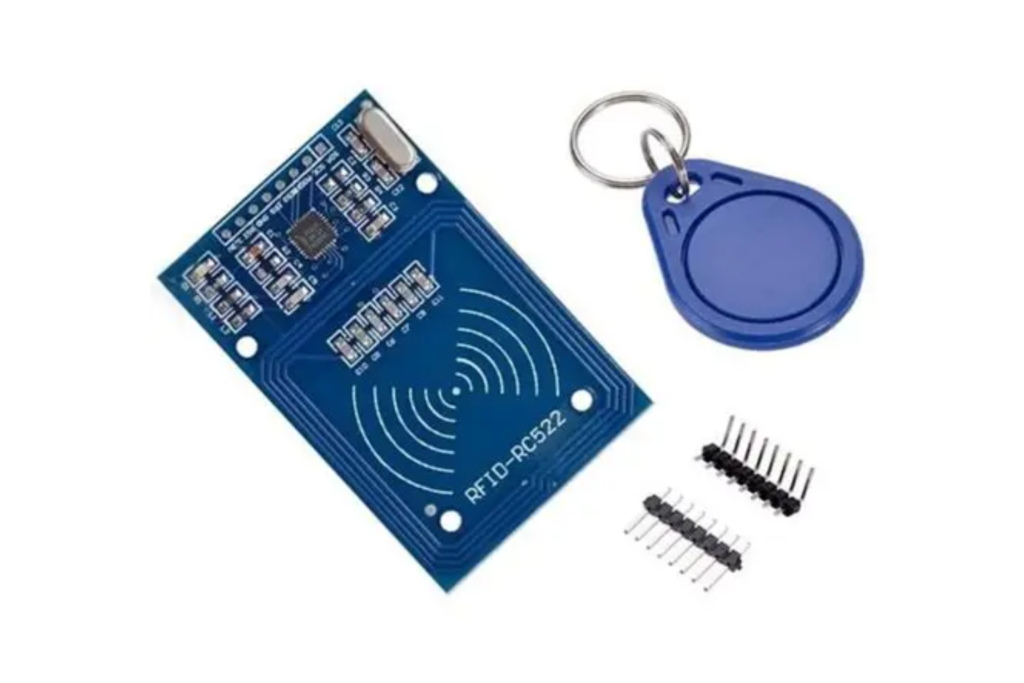
Keeping track of inventory can become increasingly difficult as the number of products, assets, and shipments grows. RFID tags can help businesses identify and track multiple items using radio waves without requiring direct line of sight, making them useful for inventory operations across warehouses, retail, and supply chains.
However, not every RFID tag is suitable for every application. The right choice depends on the items being tracked, their environment, required read range, and the RFID equipment used.
What Inventory Do You Need to Track?
The right RFID tag depends first on the type of inventory you need to monitor. Different items have different tracking requirements, so factors such as size, value, material, movement, and storage conditions should be considered before selecting a tag.
Key questions include:
- What are you tracking? Determine whether you need to identify individual products, cartons, pallets, tools, equipment, or reusable containers.
- How valuable are the items? High-value assets may require more durable tags or more reliable tracking than low-cost consumables.
- How will the tag be attached? Consider whether the tag only needs to remain in place temporarily or throughout the item’s lifecycle.
- Where will the inventory move? Identify whether items stay within a warehouse or travel through production, distribution, or other supply chain stages.
- How quickly does inventory move? Fast-moving goods may require tags and readers that can capture information efficiently during handling.
- How many items need to be read at once? Bulk inventory movements may require tags that support simultaneous identification of multiple items.
A tag suited to a retail product may not perform the same way on a metal asset, pallet, or outdoor piece of equipment. Defining what you need to track helps narrow down the RFID tag best suited to your operation.
What Factors Should Be Considered When Choosing RFID Tags?
Several technical and practical factors can affect RFID tag performance. Consider the following before selecting a tag:
- RFID Tag Frequency: Choose a frequency that suits the application, required read range and compatible reader equipment.
- Read Range and Performance: Consider how far tags need to be detected and how quickly items need to be identified.
- Tag Material and Durability: Match the tag to the item’s material and choose durable or specialized tags for metal, moisture, or physical wear.
- Memory Capacity: Determine how much information the tag needs to store based on the tracking application.
- Environmental Conditions: Consider exposure to moisture, heat, chemicals, metal surfaces, and other conditions that may affect performance.
- RFID Tag Size and Form Factor: Choose a tag size and shape that suits the item and available attachment area.
- Compatibility With RFID Readers: Ensure the tag is compatible with the RFID readers and other components in the tracking system.
- Cost and Application Requirements: Consider the tag’s features, durability, and expected performance rather than choosing based on price alone.
Businesses looking for RFID tags in the Philippines should also consider durability, read performance, and compatibility rather than choosing based on upfront cost alone.
Which RFID Tag Type Is Suitable for Your Inventory?
RFID tags differ in how they are powered, which affects their range, performance, and suitability for different inventory tracking needs. The main types are:
Passive RFID Tags
Passive RFID tags do not have their own battery. They receive power from the RFID reader’s signal and are commonly used for inventory tracking, retail, and supply chain applications. They can be suitable for high-volume applications where relatively low-cost tags are required.
Active RFID Tags
Active RFID tags have their own battery and can transmit signals over longer distances than passive tags. They can be useful for applications such as high-value asset tracking, vehicles, and large-scale environments where longer read ranges are required.
Battery-Assisted Passive Tags
Battery-assisted passive tags have an internal battery that powers the tag’s circuitry while still relying on the reader for communication. They can provide greater range or read reliability than standard passive tags while offering a different cost and performance balance from active tags.
How Does the Inventory Environment Affect RFID Tag Selection?
The environment in which RFID tags are used can affect their performance, durability, and ability to be read reliably. Before selecting a tag, consider the conditions it will encounter, such as:
- Indoor vs. Outdoor Environments: Outdoor assets may require tags that can withstand moisture, sunlight, and changing weather conditions.
- Heat, Moisture, and Chemicals: Demanding environments may require tags with specialized protective housing.
- Metal and Liquid Interference: Metal and liquids can affect RFID signals, so specialized tags may be needed.
- Storage and Handling Conditions: Consider exposure to impacts, pressure, washing, or repeated handling.
- Durability and Protection: Long-term or high-value assets may require durable tags with permanent attachment methods.
- Performance in Different Environments: Test tags in their intended environment to identify potential performance issues before deployment.
How Should RFID Tags Be Tested Before Deployment?
Before full deployment, RFID tags should be tested under the same conditions in which they will actually be used. This helps confirm that the selected tags can be read reliably, work with existing RFID equipment, and withstand the operational environment.
A practical testing process may include:
- Set Performance Requirements: Define the required read range, accuracy, read volume, and operating conditions before testing begins.
- Check Reader Compatibility: Confirm that the tags communicate reliably with the RFID readers, antennas, and other system components.
- Test Read Range and Reliability: Measure whether tags can be detected consistently at the distances and orientations required for the workflow.
- Test Tags on Actual Materials: Evaluate performance on cardboard, plastic, metal, liquids, and other materials found in the operation, as these can affect RFID signals.
- Assess Environmental Durability: Check whether tags can withstand expected conditions such as heat, moisture, dust, vibration, or outdoor exposure.
- Run a Real-World Pilot: Test the tags within the actual warehouse, production, or logistics workflow to identify potential interference or coverage issues.
- Review Results Before Deployment: Compare the test results with operational requirements and adjust the tag type, placement, or RFID setup where needed.
Testing in real operating conditions helps identify potential problems before a system is rolled out across the entire operation, reducing the risk of unreliable reads or costly changes later.
What Common Mistakes Should Be Avoided When Choosing RFID Tags?
Choosing an RFID tag based only on price or headline specifications can lead to unreliable reads, poor durability, and unnecessary replacement costs. The better approach is to match the tag to the item, environment, reader setup, and actual workflow before deployment.
Common mistakes include:
- Ignoring the Item Material: Standard tags may perform poorly on metal or liquid-filled products. It is always best to choose tags designed for the surface or material being tracked.
- Overlooking Environmental Conditions: Heat, moisture, chemicals, and physical wear can shorten tag life, so select tags rated for the conditions they will face.
- Choosing the Wrong Read Range: Define the required reading distance first. Too little range can limit performance, while excessive range may add unnecessary cost.
- Failing to Check Reader Compatibility: Not all tags work equally well with every RFID setup, so confirm compatibility with existing readers, antennas, and software.
- Skipping Real-World Testing: Laboratory results may not always reflect real operating conditions. Test RFID tags on actual inventory and within the intended workflow to confirm they perform reliably in practice.
- Choosing Based Only on Cost: A lower-cost tag may lead to more frequent replacements or inconsistent reads. Instead of focusing on unit price alone, compare performance, durability, and long-term operating costs to achieve better overall value.
- Using One Tag for Every Application: Different products and operating environments may require different RFID tags. Standardize tag types only when the items and conditions have similar performance requirements.
A short pilot test can help confirm whether the selected tag performs reliably before it is rolled out across the wider operation.
Choosing RFID Tags Based on Your Inventory Needs
Choosing the right RFID tag starts with understanding the inventory, materials, environment, and tracking process. Factors such as frequency, read range, durability, size, memory, and reader compatibility can all affect performance.
At Barcotech, we can help businesses explore RFID in the Philippines based on their inventory tracking requirements. Contact us to discuss your inventory tracking requirements and learn more about suitable RFID tags and equipment for your application.
Frequently Asked Questions
What type of RFID tag is commonly used for inventory tracking?
Passive RFID tags are commonly used for inventory tracking because they do not require an internal battery and can be used for high-volume applications. The appropriate tag still depends on the inventory, read range, and operating environment.
Can ordinary RFID tags be attached to metal?
Standard RFID tags may not perform reliably when attached directly to metal. Specialized on-metal RFID tags are designed to work with metal surfaces and can be more suitable for tracking equipment, vehicles, and metal containers.
Can RFID tags track products containing liquids?
RFID can be used with products containing liquids, but liquids can affect RFID signal performance. Specialized tags and testing may be necessary to achieve reliable results.
How long do RFID tags last?
Lifespan depends on the type of RFID tag, its power source, construction, and operating conditions. Passive RFID tags do not have batteries and can remain functional for many years when properly designed, attached, and used under suitable conditions, while active tags have a battery with a limited lifespan.
Do RFID tags require direct line of sight?
No. One of the main differences between RFID and traditional barcode scanning is that RFID readers can detect tags without requiring direct line of sight. However, materials, tag placement, and environmental conditions can still affect performance.
Should every product use the same RFID tag?
Not necessarily. Different products may require different tags depending on their material, size, environment, read range, attachment method, and tracking requirements. A tag suitable for cardboard packaging, for example, may not be appropriate for metal equipment or outdoor assets.