
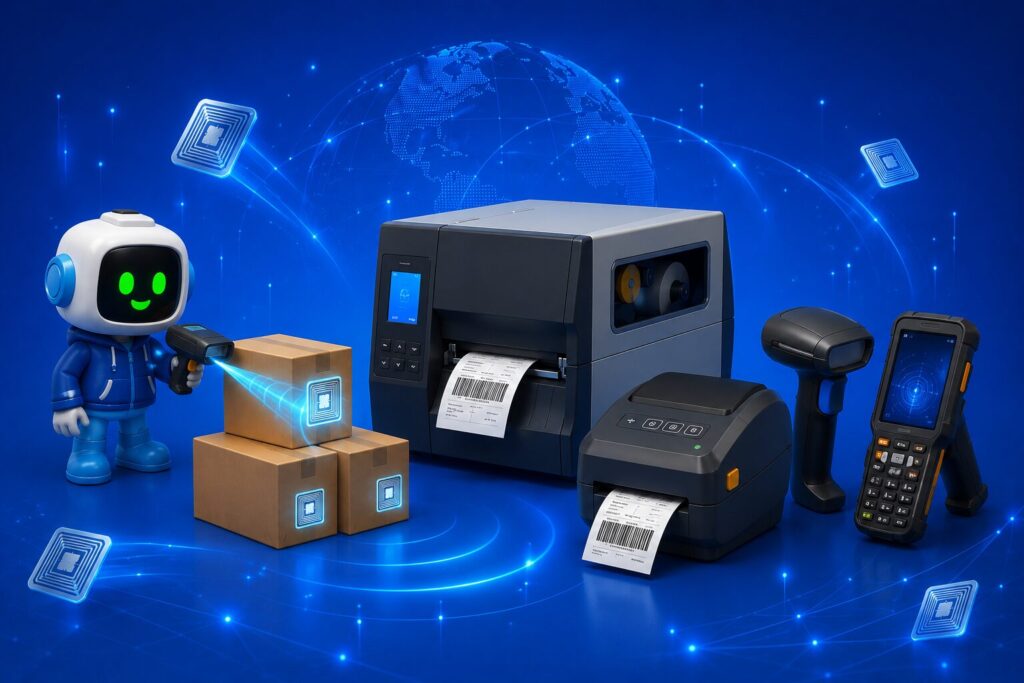
RFID Is Changing the Game—Is Your Industry Keeping Up?
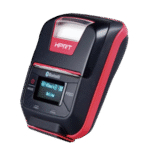
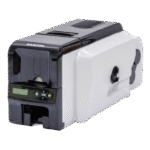
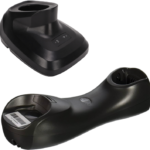
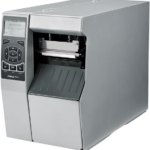
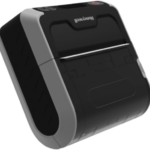
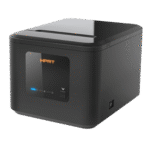
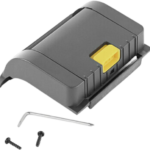
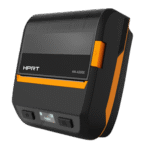
Answer: All Barcode printers have the option to upgrade into Ethernet modules to connect to any network, Wireless, and LAN. However, the Industrial Printer normally comes with an Ethernet module included in the MLB









Technology continues to transform the way businesses operate, making everyday processes faster, smarter, and more efficient. As companies strive to improve accuracy, reduce manual work, and gain better visibility across their operations, RFID technology has emerged as a powerful tool for achieving these goals.
These are the top industries that are benefiting from RFID technology:
1. Retail Industry
RFID gives retailers better visibility of their inventory, helping them know exactly what’s available and where items are located.
With RFID, retailers can:
- Improve inventory accuracy
- Reduce stock discrepancies and shrinkage
- Speed up stock counts and replenishment
- Ensure better product availability for customers
- Enable faster and more efficient checkout processes
Many retailers use RFID tags on apparel, accessories, electronics, and other merchandise to streamline inventory management and create a smoother shopping experience.
2. Logistics and Transportation
RFID helps logistics providers monitor products from receiving to delivery, reducing manual processes and improving overall accuracy.
- Real-time shipment tracking
- Improved warehouse and fleet management
- Reduced manual scanning and paperwork
- Fewer shipping errors and misplaced items
- Faster receiving and dispatch operations
Because RFID can scan multiple items simultaneously, businesses can significantly speed up loading, unloading, and inventory verification processes.
3. Manufacturing
RFID helps manufacturers gain better visibility throughout the production process, allowing them to track materials and monitor workflows more effectively.
- Better production tracking and traceability
- Improved inventory and asset management
- Reduced human errors
- Faster work-in-progress monitoring
- Enhanced quality control and compliance
By automating data collection, manufacturers can improve productivity, reduce downtime, and maintain greater control over operation
4. Healthcare
Healthcare organizations manage thousands of medical assets, supplies, and patient records daily. RFID helps hospitals and healthcare facilities improve efficiency while supporting better patient care.
With RFID, healthcare providers can:
- Track medical equipment and supplies more accurately
- Improve patient identification and safety
- Monitor medication and specimen movement
- Reduce equipment loss and misplacement