
RFID Technology: Most Common Uses and Industry Applications
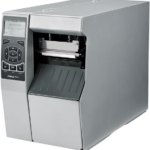
Answer: All Barcode printers have the option to upgrade into Ethernet modules to connect to any network, Wireless, and LAN. However, the Industrial Printer normally comes with an Ethernet module included in the MLB




Keeping track of equipment, inventory, or client data can quickly become challenging—especially when operations scale. How do you monitor multiple assets at once without slowing down your workflow? RFID (Radio Frequency Identification) offers a practical solution by making tracking faster and more accurate.
Instead of scanning items one by one like barcodes, RFID uses radio waves to read multiple tags at the same time—even from a distance. This means less manual effort and fewer delays. Whether you are managing hospital equipment or warehouse stock, RFID helps you maintain real-time visibility and improve day-to-day efficiency.
Most Common Uses of RFID Technology
The versatility of RFID allows it to be integrated into various operational workflows, enhancing the way organizations manage their physical and digital assets.
Asset Tracking
High-value equipment across industries requires consistent monitoring to prevent loss and ensure availability. RFID enables automated tracking, helping you locate assets in real time and manage maintenance more efficiently. For example, hospitals can track medical devices, warehouses can monitor inventory movement, and construction sites can keep track of tools and equipment.
Inventory Management
In fast-moving environments, keeping track of stock can be challenging. RFID provides real-time visibility, reducing the need for manual stock checks and helping you maintain accurate inventory levels. This allows for timely replenishment and minimizes disruptions to daily operations.
Access Control & Security
RFID supports secure entry systems by using encrypted tags or bands to manage access. It allows organizations to control movement and restrict entry to sensitive areas such as data centers, restricted zones, or medical facilities.
Supply Chain & Logistics Tracking
RFID enables real-time tracking of goods from production to delivery. This provides clear visibility across the supply chain, helping you monitor movement, reduce losses, and maintain accurate records.
Contactless Payments & Identification
RFID also powers contactless payments and digital identification. In high-traffic environments, this speeds up transactions and improves user convenience while maintaining secure verification.
RFID Industry Applications
RFID adapts to different industries by addressing specific operational and regulatory needs. It provides a scalable way to manage data, improve visibility and support day-to-day processes across various environments.
Key industry applications include:
Retail
RFID helps track individual items, improving inventory accuracy, reducing stockouts, and limiting losses. It also supports faster checkout and in-store automation.
Healthcare
Hospitals use RFID to track medical equipment and match patients with the correct treatments, supporting both efficiency and patient safety.
Manufacturing
RFID tracks materials and components throughout production, enabling better workflow control and supporting just-in-time operations.
Hospitality & Events
Large-scale hotels and music festivals use RFID for seamless guest management. RFID-enabled wristbands or cards streamline access, payments and guest management while reducing queues.
Government & Public Sector
Public institutions use RFID to support secure operations and improve service efficiency. This includes everything from electronic toll collection and public transport ticketing to the secure archiving of sensitive documents and the registration of government vehicles.
Benefits of Using RFID Technology
Switching to RFID is more than just a technical upgrade; it is a smart way to make your business or institution more resilient and better prepared for daily challenges.
Here are the benefits of using RFID technology:
- Improved Operational Efficiency: By automating data collection, staff are freed from repetitive manual tasks, allowing them to focus on high-value clinical or administrative duties.
- Strengthened Security and Protection: Automated alerts can be triggered if a tagged item leaves a designated zone, providing a robust layer of protection for valuable property.
- Increased Accuracy and Reduced Errors: Human error in data entry is a significant risk in healthcare and logistics. RFID eliminates this by providing direct, digital data capture.
- Enhanced Security and Access Control: Detailed records of who accessed each area and when provide a valuable reference for compliance and safety audits.
- Minimized Loss and Theft: The ability to perform instant inventory checks means that missing items are identified in hours rather than weeks, significantly reducing capital loss.
Frequently Asked Questions (FAQs)
Is RFID expensive to implement?
While implementing RFID requires an initial investment in hardware and software, it can deliver long-term cost savings. By reducing manual work and minimising asset loss, it helps improve overall operational efficiency. Additionally, working with a reliable RFID printer supplier in the Philippines can help you manage upfront costs through scalable solutions that match your needs.
Is RFID better than barcodes?
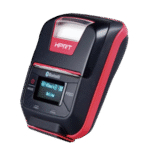
Barcodes are cost-effective for basic tracking but require line-of-sight and one-by-one scanning. RFID, on the other hand, allows bulk reading from a distance, making it more efficient for high-volume operations. For large-scale use, a Zebra RFID printer in the Philippines supports fast encoding and durable labels suited for demanding environments.
What should I consider when choosing an RFID solution?
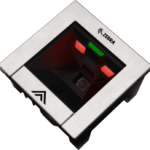
The operating environment is the most important factor. Materials such as metal and liquids can interfere with radio signals, so selecting the right frequency and tag type is essential. Working with a specialist RFID scanner supplier in the Philippines helps ensure your readers and tags are suited to your specific environment and application.
Conclusion
RFID technology has become essential for organizations aiming to improve efficiency and data accuracy. Whether you need a Zebra RFID scanner in the Philippines for better tracking or a reliable RFID tags supplier in the Philippines to support your operations, adopting RFID helps you move towards a more data-driven system.
To get the most out of your investment, it is important to work with a provider who understands both the technology and local requirements. Strengthen your tracking capabilities with an RFID solution that scales with your needs. Contact our team to learn more.