VS20
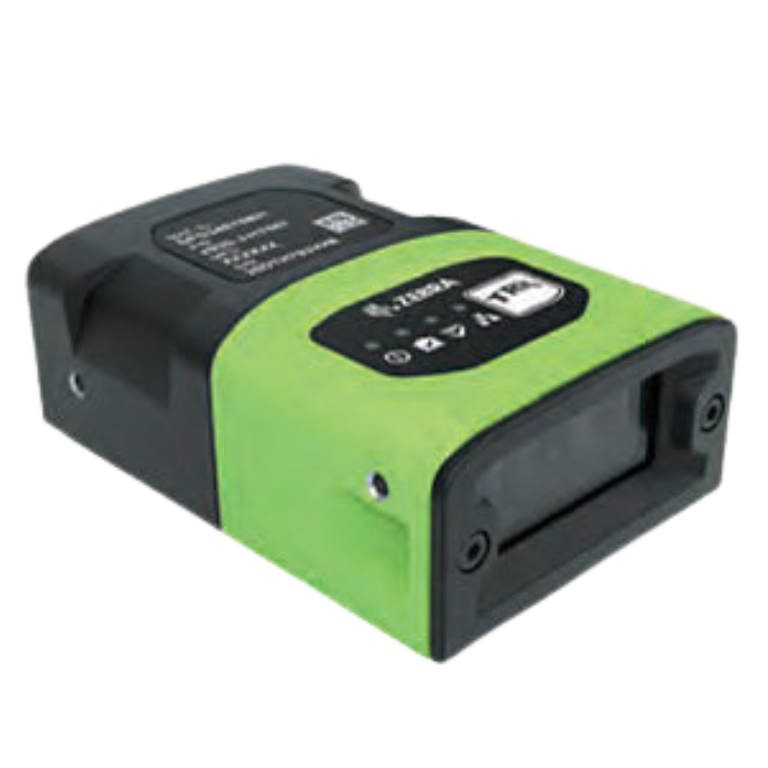
Machine Vision Smart Sensor
Auroraâ„¢ Software:
– Intuitive platform that makes it easy to set up, deploy, and run the VS20
Zebra Exclusive Features:
– ImagePerfect, Golden Image Compare, Feasibility Setup Assistant and more
License Upgrades:
– Decoder Packages and Machine Vision Toolsets
Communication Protocols:
– Ethernet/IP, PROFINET, Modbus TCP, TCP/IP, RS-232
– Intuitive platform that makes it easy to set up, deploy, and run the VS20
Zebra Exclusive Features:
– ImagePerfect, Golden Image Compare, Feasibility Setup Assistant and more
License Upgrades:
– Decoder Packages and Machine Vision Toolsets
Communication Protocols:
– Ethernet/IP, PROFINET, Modbus TCP, TCP/IP, RS-232


FAQ: What is the Freeware for Zebra Handheld Scanners?
Answer: 123 Scan Utility The PC-based 123Scan utility enables quick and easy set-up of Zebra scanners.
FAQ: What is the difference between a 1D scanner and 2D scanner?
Answer: 1D barcode scanners cannot read 2D barcodes whereas the 2D barcode imager’s can read both 1D and 2D.


From the factory floor to the control room, manufacturers are under intense pressure to meet increasing business demands. Every day, production lines strive to achieve consistent product quality and throughput quotas. Success requires a reliable and dependable process at every stage of production — a process that increases automation, reduces defects and validates assembly and tracking information.
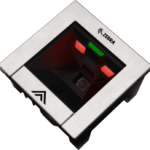
Address it all with the Zebra VS20 Machine Vision Smart Sensor. With multiple connectivity options, the compact VS20 easily integrates into your PLC or Host network to perform essential quality inspections, providing a new level of intelligence and automation to improve product quality and meet production goals. The result? Leaner operations. Fewer product defects. Lower manufacturing costs. And more satisfied customers.